

Playlists
Juste les morceaux qui ont tout changé / Just the tracks that changed everything.
Ce n'est pas un musée. Pas une encyclopédie. Pas un cours d'histoire.
Juste des sons, des images et des histoires.
Le punk est un état d'esprit — des racines, un tronc, des branches, des feuilles. Et pour finir, une forêt.
1977 : l'année où tout bascule. Un avant, un après. Mais l'esprit demeure.
This is not a museum. Not an encyclopedia. Not a history lesson.
Just sounds, images and stories.
Punk is an attitude — roots, a trunk, branches, leaves. And in the end, a forest.
1977: the year everything changed. A before, an after. But the spirit remains.
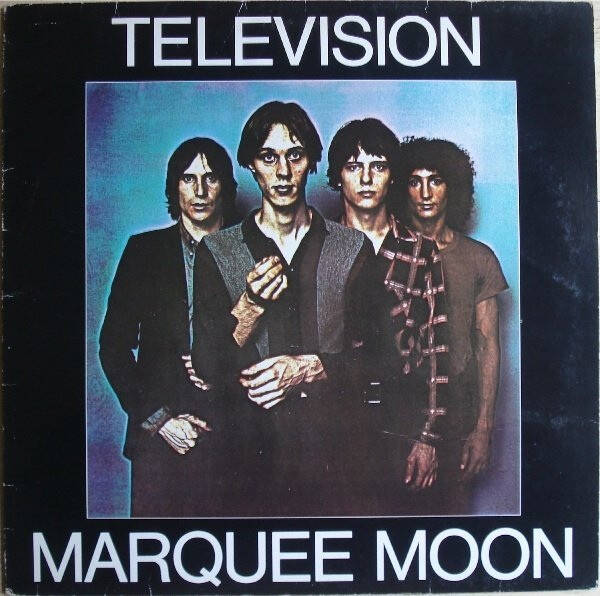
On n'appelait pas ça punk. On appelait ça trop fort, trop bizarre, trop rien. Les Stooges roulaient dans du verre cassé. Les New York Dolls jouaient du rock'n'roll en talons aiguilles. Le MC5 hurlait la révolution dans un club de Detroit. Personne n'avait encore le mot. Mais l'état d'esprit était déjà là — cette façon de dire non sans savoir exactement à quoi. / Nobody called it punk. They called it too loud, too weird, too nothing. Nobody had the word yet. But the attitude was already there — that way of saying no without knowing exactly to what.
McLaren tried to rescue the dying New York Dolls in 1975 — red leather, Soviet flags. They split three weeks later. He took notes.

C'est là que tout bascule. Londres, 1976. Le chômage à 30%, des jeunes qui n'ont rien à perdre et des guitares d'occasion. En douze mois, le punk anglais invente une année zéro — on efface tout, on recommence. Trois accords, deux minutes, une urgence. I don't know what I want but I know how to get it. C'est ça, 1977. / This is where everything tips. London, 1976. Thirty percent youth unemployment, kids with nothing to lose and second-hand guitars. In twelve months, British punk invents year zero. Three chords, two minutes, one urgency. I don't know what I want but I know how to get it. That's 1977.
Signed and dropped by EMI, A&M, and Virgin in a row. A&M inked the deal outside Buckingham Palace, voided it four days later after the band trashed their offices. They kept the advance each time.

Le punk avait gagné — alors il s'est fracturé. L'Oi! récupère l'énergie brute et la remet dans les mains des banlieues ouvrières. Le pop-punk garde les mélodies et laisse tomber la colère. D'autres groupes refusent les deux et cherchent ailleurs. Ce qui les unit ? La dérision. Cette façon de regarder le monde et de rire — pas pour rigoler, pour survivre. / Punk had won — so it fractured. Oi! took the raw energy back to working-class suburbs. Pop-punk kept the melodies and dropped the rage. Others refused both. What connects them? The sneer. That way of looking at the world and laughing — not for fun, but to survive.
Orgasm Addict was too filthy for the BBC. It charted on word of mouth alone. Shelley recorded it in one session — the B-side took longer.

Joy Division sont le point de bascule. Ian Curtis construit quelque chose de bien plus terrifiant que le punk : une musique qui ressemble à du deuil avec une grosse caisse en quatre temps. Le punk avait tout cassé, le post-punk ramasse les morceaux. Plus cérébral, plus inquiet. L'état d'esprit est toujours là — la dérision, le refus — mais la musique cherche plus loin. Punk is not dead. Il mute. / Joy Division are the pivot point. Punk had smashed everything; post-punk picks up the pieces. More cerebral, more uneasy. The attitude is still there — but the music reaches further. Punk is not dead. It mutates.
Unknown Pleasures' cover — pulsar radio waves from the Cambridge Encyclopedia of Astronomy — was submitted by Peter Saville without showing the band. Joy Division saw it for the first time on the finished record.

Février 1979 : Sid Vicious meurt d'une overdose à 21 ans, la nuit de sa libération. Les tabloïds appellent ça la fin du punk. Faux. The Clash sortent London Calling — double album, prix normal — et glissent dedans la ligne de basse des Guns of Brixton, épaisse comme du béton. Joy Division perfectionnent leur désespoir de cathédrale sur Closer. Puis Ian Curtis meurt la veille de leur première tournée américaine. Le punk ne meurt pas — il change juste de peau. / February 1979: Sid Vicious overdoses at 21, the night he gets out on bail. Wrong. The Clash release London Calling and bury inside it the bassline of The Guns of Brixton, thick as concrete. Joy Division perfect their cathedral despair on Closer. Then Ian Curtis dies. Punk doesn't die — it just changed its skin.
Love Will Tear Us Apart was released a month after Curtis died. His wife Deborah heard it on the radio before she knew it existed.
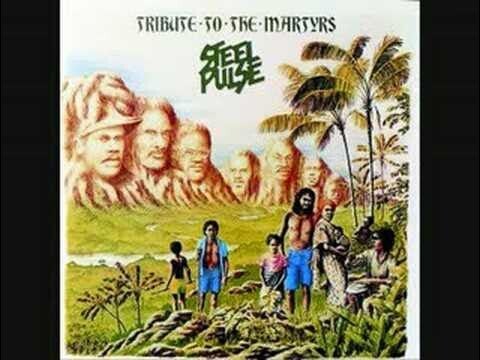
Deux courants, une collision. Le punk a emprunté l'urgence et la pression du reggae ; le reggae a absorbé la colère brute du punk. Pas d'excuse, pas d'explication.
Londres, fin des années 70. Les mêmes rues, les mêmes ennemis, des rythmes différents.
Two currents, one collision. Punk borrowed the urgency and pressure of reggae; reggae absorbed the raw anger of punk. No apology, no explanation.
London, late seventies. Same streets, same enemies, different rhythms.
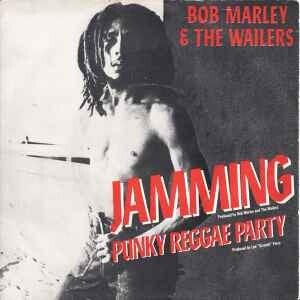
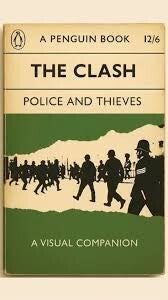


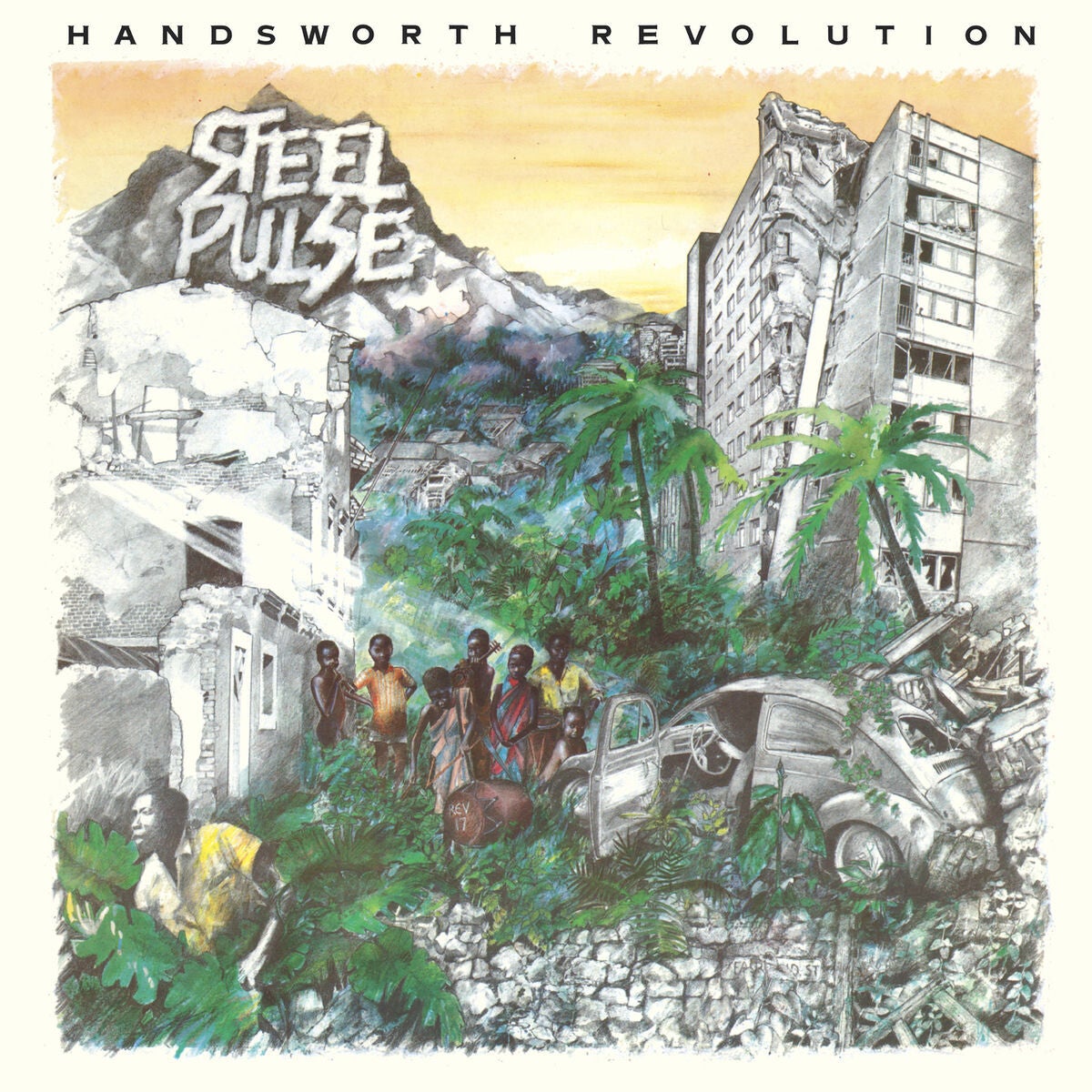





Tracks/Playlist/Normandy Was Rocking — Rouen · Le Havre · Caen
Quand la Normandie rockait — Rouen, Le Havre, Caen.
2026/07/04
EN
Early '70s: Rouen, Le Havre, Caen. Kids kill boredom with real rock'n'roll. The Dogs and Little Bob Story pick English as rock's true tongue — an answer to bloated prog. No doubt about it: Normandy was rocking.
Rock normand · Rouen · Le Havre · Caen
FR
Début des années 70 : Rouen, Le Havre, Caen. On tue l'ennui au vrai rock'n'roll. Les Dogs et Little Bob Story choisissent l'anglais comme langue du rock — une réponse au prog boursouflé. Aucun doute : la Normandie rockait.